Master's Degree Defense
Integrating the Three Pillars of Sustainability
Dewayne Haverstick
Professional Science Master's in Environmental Sustainability & Natural Resources Management
Texas Tech University
Environmental Protection. Social Responsibility. Economic Sustainability.
My graduate education has strengthened my ability to evaluate environmental challenges through the three interconnected pillars of sustainability: environmental protection, social well-being, and economic responsibility.
Through graduate coursework, original research, environmental field investigations, and professional leadership, I have explored how natural resource management decisions affect ecosystems, communities, and long-term financial sustainability.
This portfolio demonstrates how I have applied knowledge from ecology, conservation, environmental economics, renewable energy, sustainable design, and natural resource management to real-world environmental challenges.
Purpose of This Portfolio
To demonstrate how my graduate education and professional experience have prepared me to evaluate complex environmental problems, balance competing priorities, and contribute to responsible, sustainable management decisions.
Environmental Sustainability
Protecting ecosystems, conserving natural resources, and reducing environmental impacts through science-based management.
My applications: Environmental field investigations, renewable energy lifecycle research, wetland science education, conservation, and landscape analysis.
Social Sustainability
Supporting healthy communities, equitable access to resources, public safety, and responsible decision-making.
My applications: Community recreation and landscape accessibility, environmental due diligence, leadership of four field teams, and environmental health considerations.
Economic Sustainability
Balancing environmental objectives with financial accountability, resource efficiency, and long-term economic value.
My applications: Environmental remediation and due-diligence budgets, management of more than $1 million in Navy equipment, renewable energy lifecycle costs, and sustainable design planning.
Curriculum Vitae and Professional Experience
Professional Profile
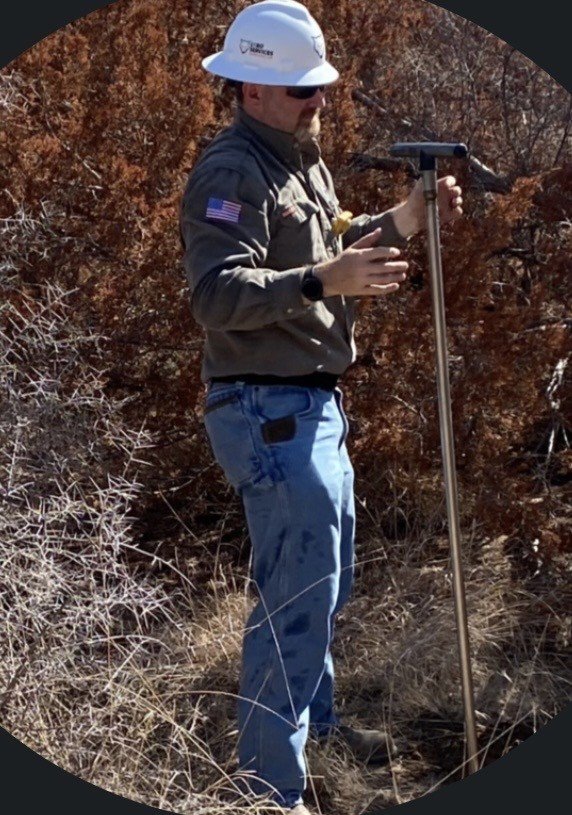
Environmental professional with experience in field investigations, soil sampling, remediation support, geographic information systems (GIS), environmental due diligence, project coordination, and natural resource management.
My professional background combines environmental field operations with experience in healthcare, military service, business operations, and organizational leadership.
I am currently pursuing a Professional Science Master's degree in Environmental Sustainability and Natural Resources Management at Texas Tech University, with the goal of advancing into environmental management and sustainability leadership.
Education
Texas Tech University
Professional Science Master's — Environmental Sustainability and Natural Resources Management
Expected Completion: December 2026
Sam Houston State University
Bachelor of Science in Environmental Geography
Minor in Geographic Information Science
Completed: December 2021
Professional Experience
Environmental Fieldwork and GIS
Experience with environmental sampling, remediation support, chemical consolidation, environmental documentation, GIS mapping, and field investigations.
Professional Internship — Environmental Project Management (In Progress)
Management-level responsibilities involving leadership of four teams across multiple environmental projects, project budgeting, soil assessment activities, and multi-state environmental due diligence.
United States Navy — Hospital Corpsman
Experience in healthcare support, medical logistics, operational responsibilities, and working within multidisciplinary teams.
Emergency Medical Services and Healthcare
Professional experience in emergency medical care, patient assessment, clinical support, and communication in high-pressure environments.
Business Operations and Training
Experience in business operations, client services, personnel coordination, training, scheduling, and expense management.
Certifications and Specialized Training
Professional training and credentials include geographic information systems, HAZWOPER training, healthcare qualifications, and additional business, sustainability, and management education.
Supporting certificates and professional development records are presented separately in this portfolio.
Business Skills and Professional Certifications
Business Skills and Management Development
As part of my Professional Science Master's program at Texas Tech University, I completed assigned online certificate training designed to strengthen business knowledge and professional management competencies.
These courses complement my graduate education in Environmental Sustainability and Natural Resources Management by addressing organizational leadership, project management, financial decision-making, professional communication, and sustainability strategy.
My training includes:
Project Leadership: Working with Project Managers & Project Sponsors.
Professional Communication: Presenting with Confidence and Storytelling to Influence.
Sustainability and ESG: ESG 2.0: Understanding Sustainable Development Goals (SDGs).
Environmental Reporting: Sustainability and Climate Reporting: The Ultimate Guide.
Financial and Management Skills: Additional coursework addressing business fundamentals and organizational responsibilities.
Application to My Professional Internship
The business skills developed through this training are directly relevant to my current management-level internship.
I lead four teams across multiple environmental projects while maintaining responsibility for project coordination and adherence to established budgets.
These responsibilities demonstrate how environmental management requires effective leadership, financial accountability, communication, and resource allocation.
Academic Reflection
My business-skills training has reinforced my understanding that environmental sustainability involves more than ecological protection.
Successful environmental management also requires practical business knowledge, the ability to coordinate people and resources, and the financial discipline to achieve project objectives within established constraints.
Integrating these competencies with my graduate studies supports my long-term goal of advancing into environmental management and sustainability leadership.
Supporting Certificates
Course completion certificates are available as supporting evidence of my Texas Tech-assigned business and professional development training. Formal fulfillment of the university's business-skills requirement is subject to program verification.
Portfolio Table of Contents
1. Introduction and Professional Goals
2. Curriculum Vitae and Professional Experience
3. Graduate Coursework — Nine Courses
4. Academic Research and Projects
5. Business Skills and Professional Certifications
6. Professional Internship — Environmental Project Management
7. Professional Development — Wetland Science
8. Academic Progress and Supporting Evidence
9. Final Academic Reflection and Career Goals
Graduate Research & Applied Sustainability
Renewable Energy: What Does It Really Cost?
Original Graduate Research | Texas Tech University | December 2024
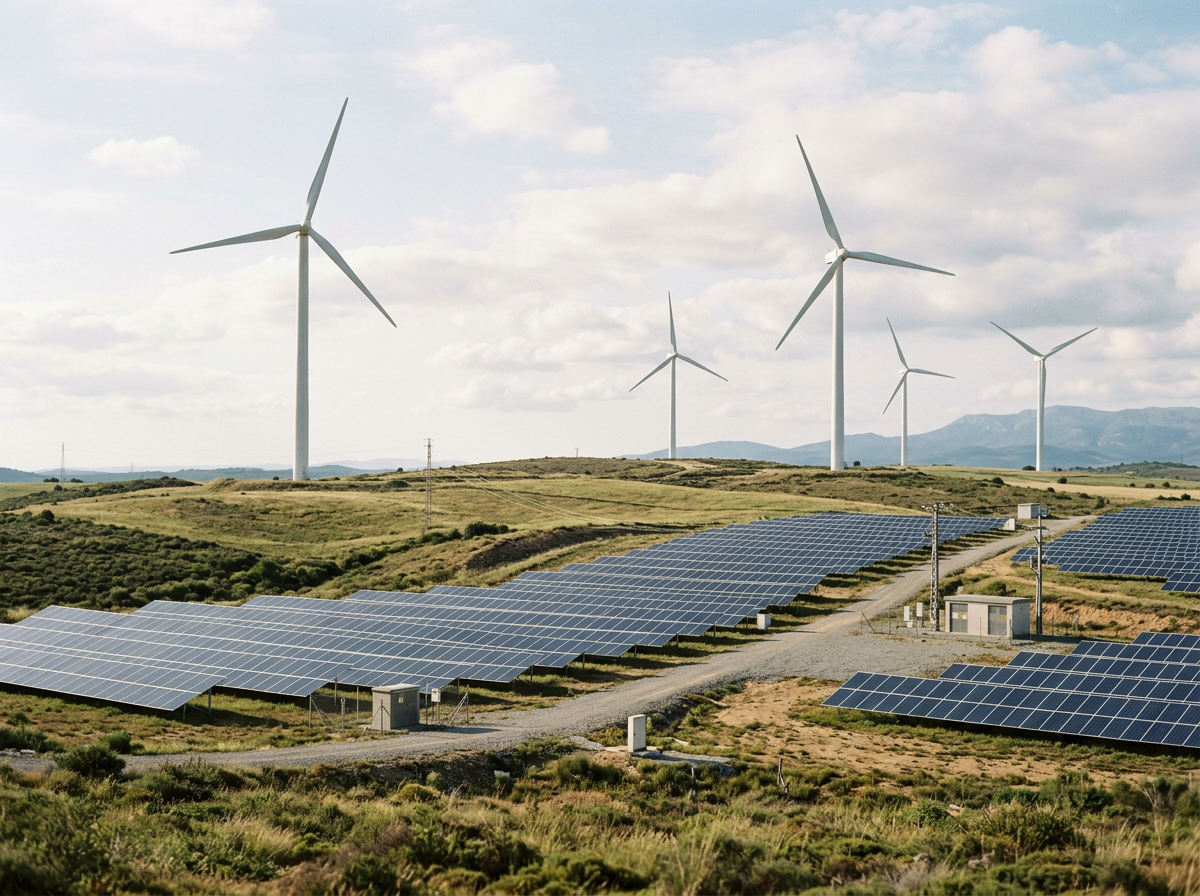
This research examined the environmental and material implications of renewable energy technologies, particularly wind turbines and solar panels.
The paper investigated the lifecycle of renewable energy infrastructure, considering resource extraction, manufacturing, transportation, maintenance, supply chains, and end-of-life disposal.
The project demonstrates the importance of evaluating environmental technologies through all three pillars of sustainability.
Environmental Sustainability: Evaluating resource extraction, manufacturing impacts, material use, and end-of-life waste.
Social Sustainability: Considering the implications of mineral extraction and supply-chain activities for workers and communities.
Economic Sustainability: Examining lifecycle cost considerations, infrastructure investments, maintenance, and material recovery.
Connection to My Master's Degree
This research strengthened my understanding of lifecycle thinking, environmental trade-offs, and the importance of assessing sustainability decisions beyond immediate operational benefits.
It supports my ability to approach environmental management challenges using interdisciplinary research and consideration of long-term consequences.
Easter Island: Environmental Impacts and Resource Management
Graduate Research | Environmental Economics & Policy | Texas Tech University
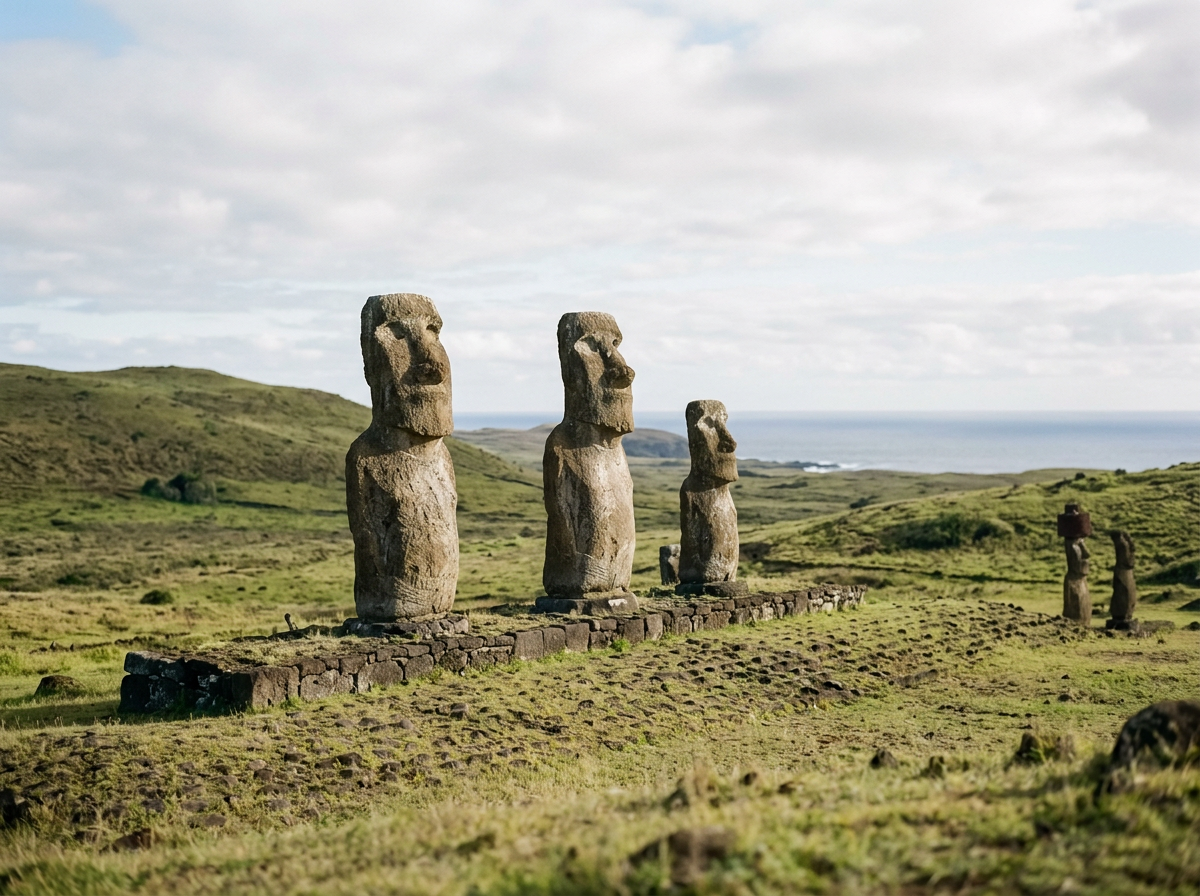
My paper, Easter Island and Environmental Impacts, explores the relationship between natural resource availability, ecological limitations, and human populations.
Using concepts including the tragedy of the commons and ecological feedback systems, I examined how resource consumption can exceed the natural environment's ability to replenish those resources.
Connection to the Three Pillars of Sustainability
Environmental Sustainability
The study explores deforestation, resource depletion, and the consequences of extracting renewable resources faster than they can regenerate. It emphasizes the importance of conservation and responsible natural resource management.
Social Sustainability
The research considers how environmental changes and resource shortages can influence community stability, population well-being, and adaptation to environmental challenges.
Economic Sustainability
The paper examines resource scarcity and the importance of planning for long-term resource availability. It illustrates how economic decisions and resource consumption can affect future generations.
Connection to My Master's Degree
This project strengthened my understanding of environmental economics, ecological limits, and the role of resource management in sustainability.
It demonstrates how environmental decision-makers must balance ecological protection, community needs, and economic considerations.
Academic Reflection
The historical interpretation of Easter Island's environmental changes remains debated. This research provides a case study for exploring resource-management concepts rather than establishing a single definitive explanation for the island's history.
Landscape History: Modern vs. Naturist Design
Original Academic Project | History of Landscape Architecture
Project Location: The Arbor at Evergreen, Conroe, Texas
Project Overview
My project, Modern vs. Naturist Design and How The Arbor Brings Them Together, examines how modern landscape architecture incorporates natural elements into planned community environments.
Through observations and photographs of The Arbor at Evergreen, I evaluated the relationship between recreational design, vegetation, accessibility, natural features, and the surrounding environment.
The project explored how landscape architecture can meet community needs while presenting opportunities and challenges for responsible natural resource management.
Connection to the Three Pillars of Sustainability
Environmental Sustainability
My observations addressed the removal of existing vegetation, limited tree canopy, biodiversity, and the relationship between development and natural landscapes.
I also examined features such as butterfly gardens, natural stone, landscaped areas, and a bayou associated with drainage and flood retention.
These observations highlight the importance of habitat protection, tree preservation, stormwater management, and ecological considerations in community development.
Social Sustainability
The Arbor provides recreational spaces for different age groups, accessible pedestrian pathways, seating areas, and opportunities for community interaction.
The project demonstrates how landscape architecture can support recreation, accessibility, safety, and community well-being.
Economic Sustainability
Although my original research did not include a financial cost analysis, the landscape contains features that may influence long-term operating expenses.
Landscaping, irrigation, seasonal plant replacement, recreational equipment, and stormwater infrastructure require ongoing management.
Considering these potential costs illustrates the importance of lifecycle planning and responsible resource allocation.
Connection to My Master's Degree
This project demonstrates how environmental sustainability and natural resource management intersect with landscape architecture.
It strengthened my understanding of how development decisions can affect ecological systems, community needs, and long-term maintenance considerations.
Academic Reflection
Through this project, I recognized that environmentally responsible development requires more than incorporating natural-looking features.
Effective sustainability management involves evaluating ecological functions, human use, and long-term resource requirements together.
This interdisciplinary perspective supports my graduate education in Environmental Sustainability and Natural Resources Management.
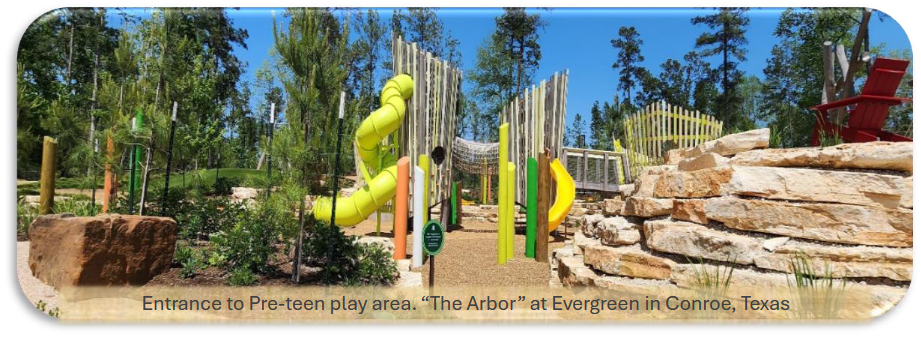
Figure 1. The Arbor at Evergreen, Conroe, Texas. Original photograph by the author, illustrating the integration of recreational facilities and natural landscape features within a planned community.
Professional Development: Wetland Science and Environmental Management
Continuing Education in Wetland Science
In addition to my graduate education in Environmental Sustainability and Natural Resource Management, I have pursued independent professional development through complimentary educational modules offered by the Society of Wetland Scientists (SWS).
These non-accredited learning opportunities support my continued exploration of wetland ecology, ecological restoration, environmental management, and the conservation of natural resources.
This additional education complements my graduate studies by reinforcing the importance of wetland ecosystems in supporting biodiversity, maintaining water quality, regulating hydrological processes, and contributing to long-term environmental sustainability.
Connection to the Three Pillars of Sustainability
Environmental sustainability: Biodiversity, water quality, wetland conservation, and restoration.
Social sustainability: Flood protection, clean water, and community well-being.
Economic sustainability: Ecosystem services, reduced flood damage, and long-term resource management.
Academic Reflection
My independent study of wetland science through the Society of Wetland Scientists has expanded my understanding of the relationship between ecological processes, environmental management, and sustainable resource use.
By exploring wetland conservation and restoration, I have gained additional perspectives on the importance of protecting natural ecosystems while recognizing the social and economic benefits they provide.
This continuing education complements my Master's degree in Sustainability and Natural Resource Management by demonstrating my commitment to lifelong learning, interdisciplinary environmental problem-solving, and responsible stewardship of natural resources.
Professional Internship: Environmental Management and Leadership
Management-level internship, separate from my 40-hour-per-week staff position.
Leadership of four teams across multiple environmental projects.
Responsibility for keeping projects within established budgets.
Environmental work involving approximately 2,000 soil samples.
Due diligence activities across more than 200 sites in multiple states.
Academic and Professional Reflection
My management-level internship provides an opportunity to apply the environmental science, sustainability, and resource management principles developed throughout my graduate education at Texas Tech University.
Through leading four teams across multiple environmental projects, I am strengthening my leadership, project coordination, budgeting, and decision-making skills.
This experience connects directly to the three pillars of sustainability:
Environmental Sustainability: Environmental assessments and soil sampling support informed decisions about environmental conditions and natural resource management.
Social Sustainability: Leading multiple teams requires communication, collaboration, accountability, and responsible management practices.
Economic Sustainability: Maintaining project budgets demonstrates the importance of financial responsibility, effective planning, and efficient resource allocation.
Balancing these management responsibilities with my full-time staff position and graduate studies has further developed my organizational and professional skills.
My internship supports my long-term career goal of advancing into environmental management and sustainability leadership.
Professional Internship — BIOL 5000, Fall 2026. In Progress.